
How Can Red Light Therapy Help with Menstrual Relief?

IN THIS ARTICLE
- 01 What are common menstruation symptoms?
- 02 What is red light therapy?
- 03 What are the benefits of using red light therapy during my menstrual cycle?
- 04 How does red light therapy support menstrual symptoms?
- 05 Is RLT more effective in certain phases of the menstrual cycle?
- 06 Which RLT settings are best to address menstrual symptoms?
- 07 How to use red light therapy for menstrual cramps?
- 08 Are there side effects of using red light therapy during my menstrual cycle?
- 09 Who should avoid RLT?
- 10 What is the best red light therapy device for menstrual cramps?
- 11 Final thoughts
Red light therapy (RLT) is most commonly known for its skincare benefits, from boosting collagen production, reducing the appearance of fine lines and blemishes, as well as improving skin tone, texture, and luminosity.
However, red light therapy benefits also extend to supporting overall wellbeing too. Red light therapy treatments have been claimed to improve depression, sleep, gut health, heal wounds, aid muscle recovery, and alleviate menstrual symptoms.
What are common menstruation symptoms?
Menstrual symptoms vary for each individual. Intimate health, menopause, and hormone health expert, Dr. Shirin Lakhani, shared the common menstrual symptoms are: "Lower abdominal cramping and lower back pain, bloating, breast tenderness, headaches, fatigue, nausea, change in bowel movements, acne flare-ups, mood swings, brain fog, and anxiety."
What is red light therapy?
Red light therapy is a non-invasive treatment that uses different light wavelengths, such as red, infrared, and deep light, to address a plethora of concerns. Dr. Lakhani explains: “Red light therapy (Photobiomodulation) uses specific wavelengths of red and near-infrared light to penetrate tissue and stimulate cellular function. It primarily works by increasing ATP production through enhancing mitochondrial function, reducing oxidative stress, improving circulation, modulating inflammation, and influencing pain signalling pathways, according to studies.”
What are the benefits of using red light therapy during my menstrual cycle?
Some may seek out natural ways to ease menstrual cramps, and red light therapy could be an effective treatment. Dr. Lakhani asserts: “Red light therapy benefits can include reduced cramping, decreased lower back pain, less bloating through improved circulation, and better sleep quality.” Dr. Lakhani also claims there are red light therapy benefits for PMS symptoms, as some patients report “less severe PMS symptoms when using red light therapy consistently across cycles.”

While RLT offers several benefits, it should not be deemed a medical treatment or cure for conditions such as endometriosis, hormonal imbalance, or PCOS. Instead, RLT should be considered as a supportive wellness tool to use alongside natural remedies to ease menstrual cramps, among other symptoms.
How does red light therapy support menstrual symptoms?
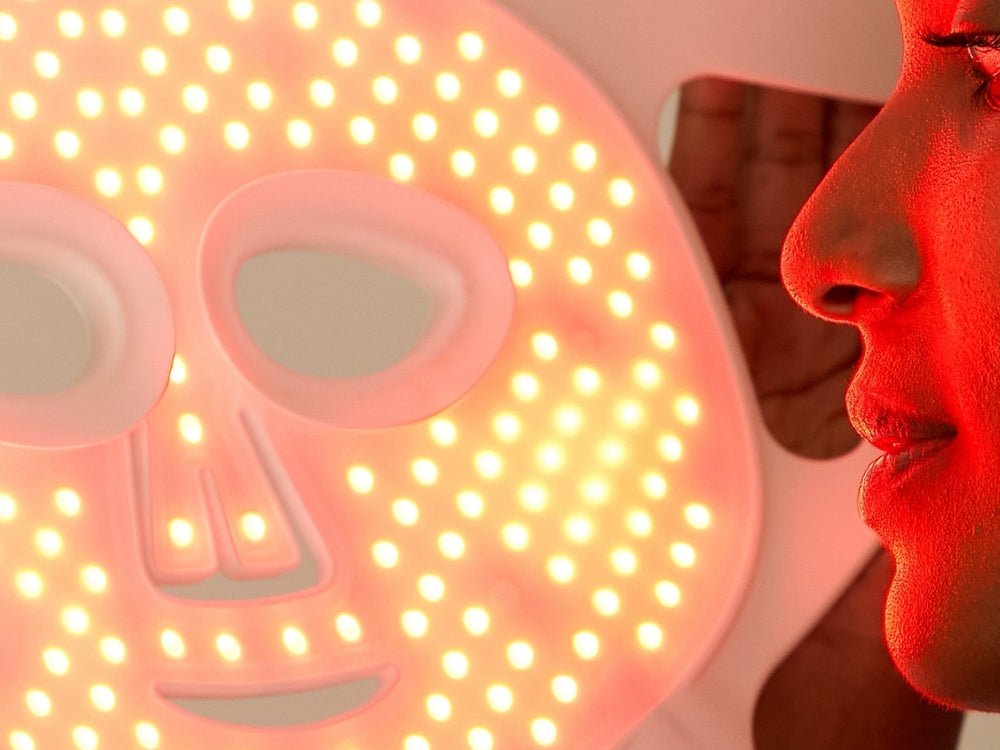
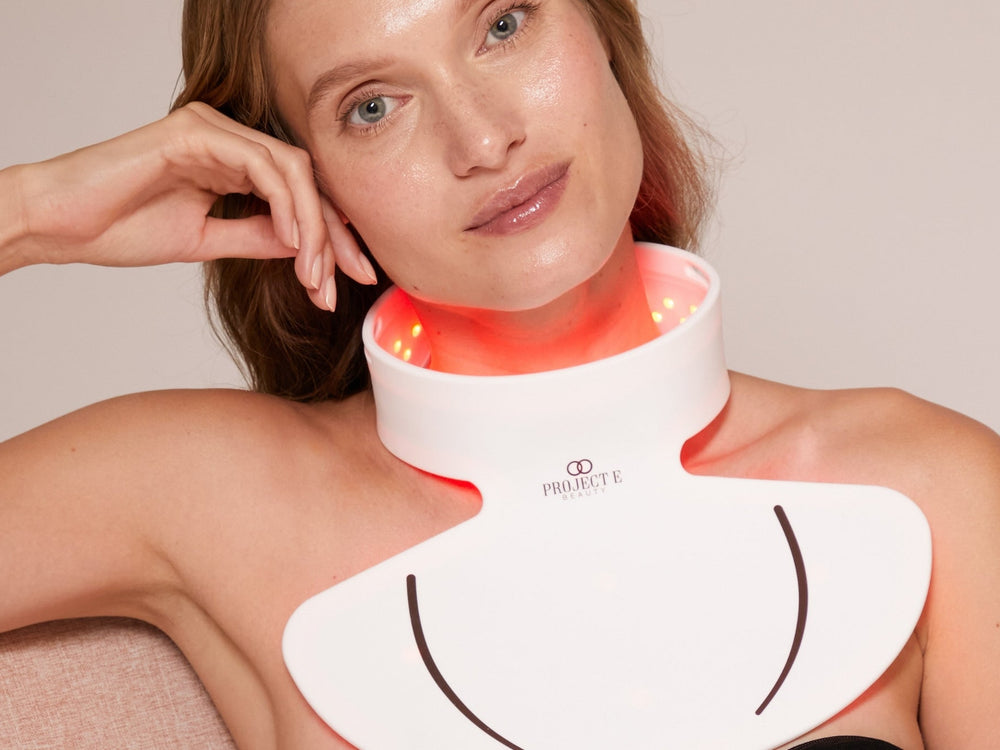
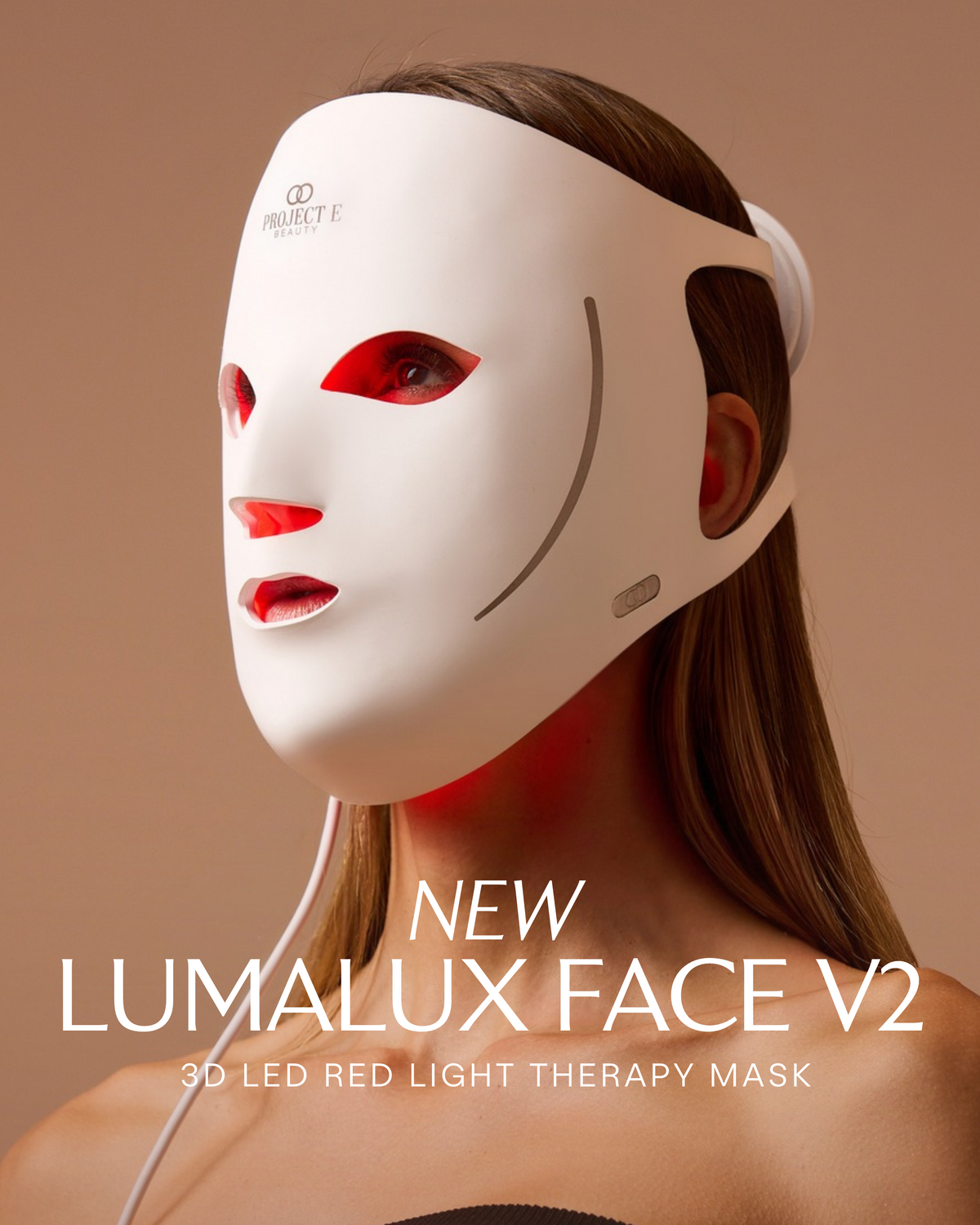
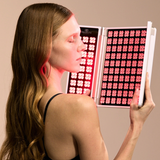
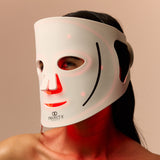
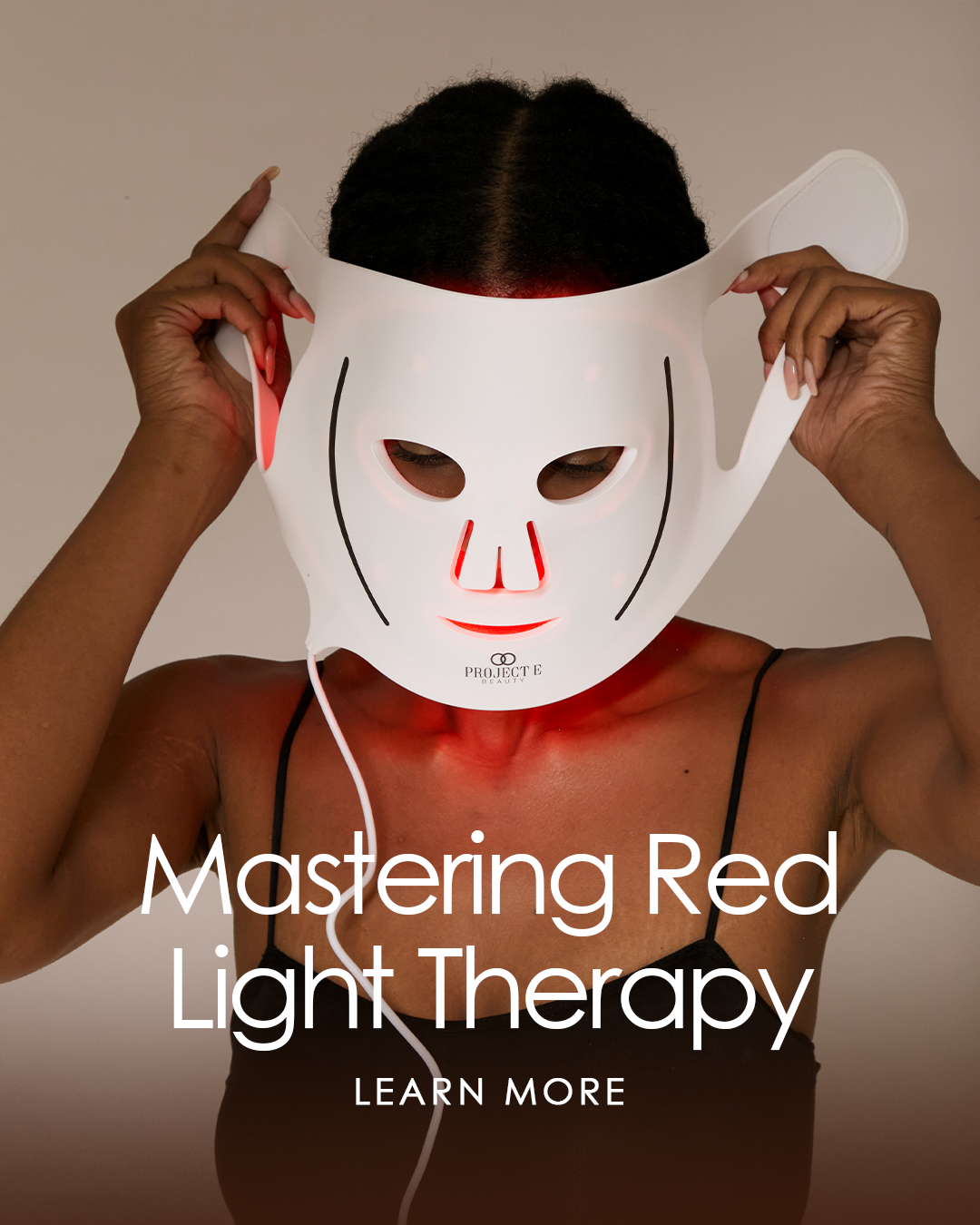
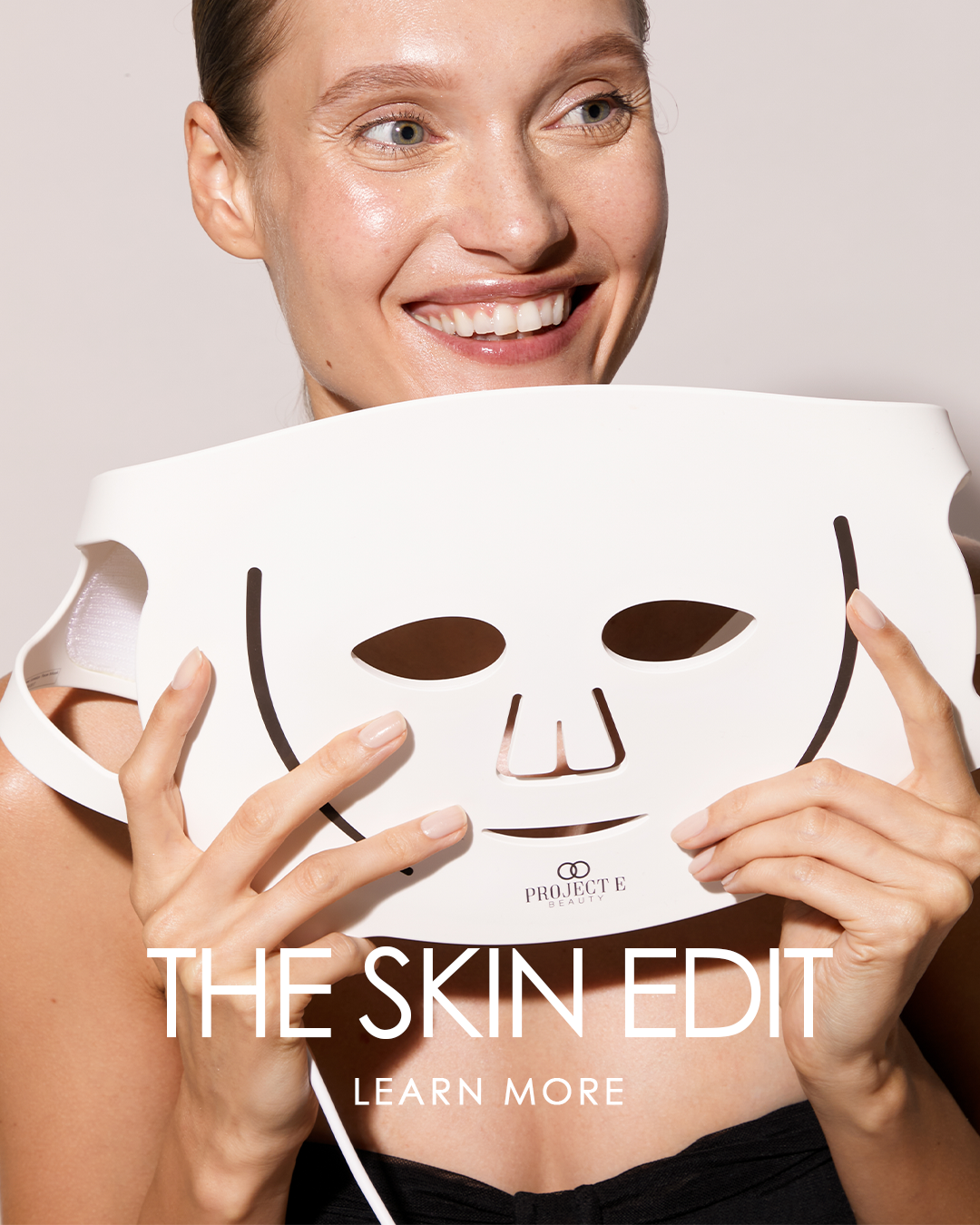
Red light therapy can be a useful step in your skincare routine to address hormonal breakouts during a menstrual cycle. At-home red light therapy devices, such as Project E Beauty’s LumaLux Face V2 and LumaLux Neck & Dec, deliver several wavelengths, including red, infrared, deep infrared, and blue light, which is a powerful anti-aging and blemish-busting combination to combat hormonal flare-ups. Blue light therapy is an effective wavelength to target different types of blemishes that may appear the week before or during menstruation.
But how does red light therapy help with menstrual cramps? Dr. Lakhani weighs in:
Menstrual cramps are generally caused by prostaglandin-driven uterine contractions, local inflammation there, and reduced uterine blood flow. Red light therapy may help with menstrual pain, as it can reduce inflammatory mediators, improve pelvic blood circulation, soothe muscle tension, modulate pain perception pathways, and support tissue repair.
— Dr. Shirin LakhaniHowever, the women’s health expert believes more research is needed, and urges patients considering red light therapy for endometriosis pain management to consult a medical professional for a suitable treatment plan.
Is RLT more effective in certain phases of the menstrual cycle?
While there is limited research to ascertain if red light therapy is more effective in specific phases of the menstrual cycle (luteal, follicular, menstrual, and ovulation), Dr. Lakhani highlights that red light therapy can alleviate various symptoms throughout your cycle. She explains...
RLT may help reduce PMS symptoms, such as inflammation and breast tenderness, as well as support mood regulation through the luteal phase. Through the menstrual phase, red light therapy can be used to help with cramp relief. But, during the follicular phase, most women have fewer symptoms, which is why RLT may not be particularly beneficial at this stage to treat symptoms relating to your cycle.
— Dr. Shirin LakhaniWhich RLT settings are best to address menstrual symptoms?
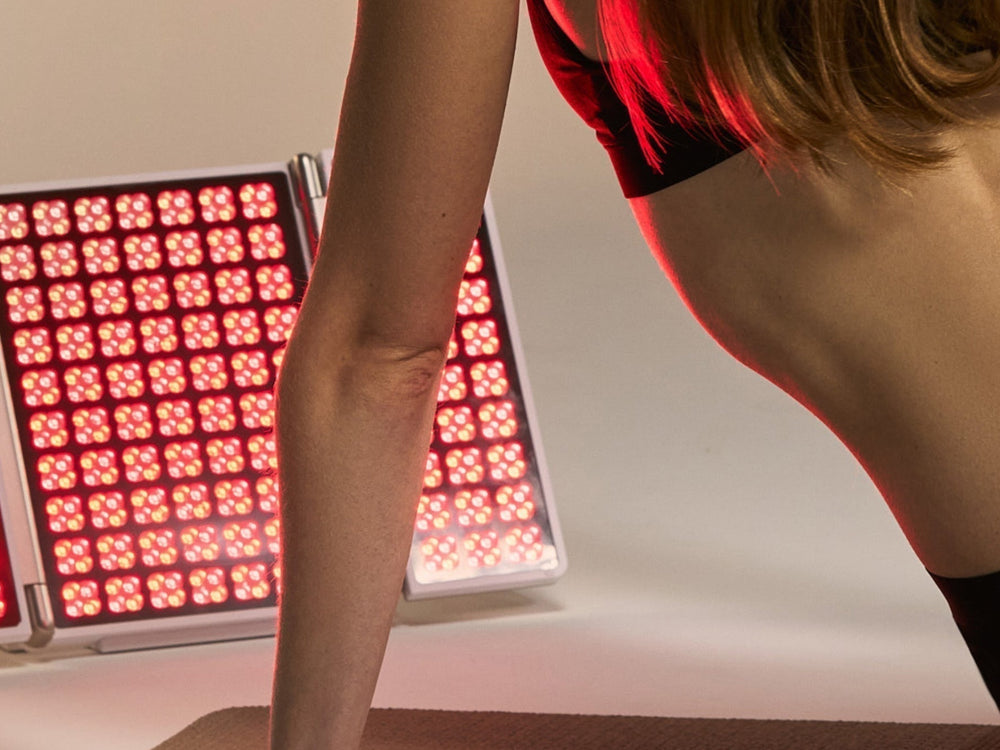
While individual wavelengths can support different menstrual symptoms, multi-wave devices are considered more effective in addressing several menstrual symptoms simultaneously. Restora+ and Restora combine five red and infrared wavelengths, from 630nm red to 1070nm deep infrared, and the LumaLux Neck & Dec Mask combines several wavelengths for the neck and chest. Dr. Lakhani explains, “Generally, red wavelengths are for surface tissues, whereas near-infrared is for deeper pelvic penetration, so combined devices are ideal for helping with menstrual symptoms.”
How to use red light therapy for menstrual cramps?
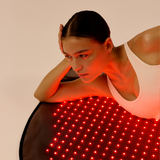
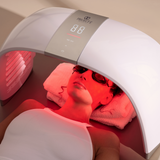
To target hormonal breakouts on the face, simply fasten the LumaLux Face V2 securely around your head, select the Skin Clearing mode, and relax. For the body, lie inside the Restora+ Pod, which keeps skin in direct contact with the light on your lower abdomen and lower back at the same time, or lie on the Restora mat with the area you'd like to treat against its surface. Start at level 1 for 10 minutes; level 2 for 20 minutes is the recommended default. Dr. Lakhani recommends using a home RLT device “10 to 20 minutes per area, approximately once or twice a day when experiencing cramps.” However, we urge you not to overdo your RLT treatment.

Are there side effects of using red light therapy during my menstrual cycle?
Dr. Lakhani has reassured us that red light therapy for period pain, PMS, and menstrual cramps is “generally quite safe.” While some may experience some warmth during their treatment, if RLT is used excessively, “the high levels of red light could potentially blister the skin”, warns Dr. Lakhani.
Who should avoid RLT?
Dr. Lakhani highlights that RLT is generally safe for most people, but ensure the device is FDA-certified and purchased from a trusted retailer. Restora+ and Restora are FDA registered as over-the-counter general wellness devices.
However, those who are “pregnant, undergoing active cancer treatment, have a photosensitive disorder, such as lupus, have an active pelvic infection or are taking photosensitising medication” should avoid RLT, warns Dr. Lakhani.
The expert also advises anyone who has been diagnosed with a reproductive disorder, endometriosis, PCOS, who experiences heavy bleeding, hormonal instability, or severe pain during their cycle, to consult a medical professional before use. If you are still unsure if RLT is suitable for you, please consult a healthcare expert.
What is the best red light therapy device for menstrual cramps?

Project E Beauty has several easy-to-use, gentle RLT devices suitable for home use. We recommend Restora+, our full-body Pod, which delivers five wavelengths of red and infrared light with direct skin contact front and back, so your lower abdomen and lower back are supported in the same session. Restora delivers the same five-wavelength formula in a single, direct-contact mat. For hormonal breakouts, the LumaLux Face V2 pairs red and blue light in its Skin Clearing mode.

Restora+ | Red & Infrared Light Therapy Pod
Five wavelengths of red and infrared light in one full-body Pod, for front-and-back contact in a single session

Restora | Red & Infrared Light Therapy Mat
Five wavelengths of red and infrared light in a single, direct-contact mat
Final thoughts
While red light therapy is one of the more natural ways to ease menstrual cramps, inflammation, and hormonal breakouts, more research is needed in this area of women’s health. Ultimately, RLT should be used as a supportive wellness tool, rather than a medical treatment for serious health conditions.